
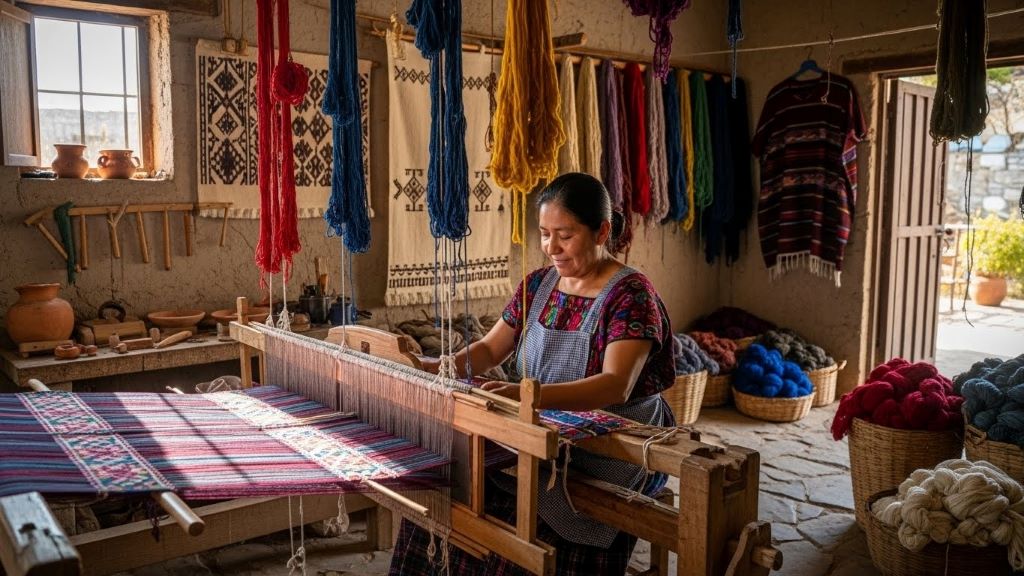
18 Dec Natural Dyed Mexican Fabrics for Sustainable Fashion
The fashion industry stands at a crossroads. As consumers become more aware of environmental issues, they seek alternatives to mass-produced clothing. Mexican textiles offer a beautiful solution. These fabrics combine centuries-old traditions with modern sustainability values.
Natural dyes and traditional weaving methods make Mexican fabrics unique. Moreover, they represent a viable alternative to synthetic materials. This article explores how these textiles contribute to sustainable fashion.
The Rich Heritage of Mexican Textile Traditions
Mexican textile production dates back thousands of years. Indigenous communities perfected dyeing and weaving techniques long before European contact. These skills passed down through generations remain alive today.
Traditional artisans use plants, minerals, and insects to create vibrant colors. Each region has its distinctive styles and methods. For example, Oaxaca is famous for its wool rugs and tapestries. Meanwhile, Chiapas produces intricate embroidered fabrics.
The cultural significance of these textiles goes beyond aesthetics. They tell stories of community identity and historical knowledge. Therefore, purchasing these fabrics supports cultural preservation.
Understanding Natural Dyes in Mexican Textiles
Natural dyes come from organic sources found in nature. Mexican artisans have mastered the art of extracting colors from various materials. This process requires skill, patience, and deep knowledge of local resources.
Common natural dye sources include cochineal insects, which produce deep reds. Indigo plants create beautiful blues. Additionally, marigold flowers yield golden yellows. Logwood provides rich purples and blacks.
The dyeing process itself is environmentally friendly. Unlike synthetic dyes, natural alternatives do not release harmful chemicals into water systems. Furthermore, they are biodegradable and non-toxic. According to National Geographic, the textile industry is one of the world’s largest polluters, making natural alternatives crucial for environmental protection.
Environmental Benefits of Natural Dyed Fabrics
Synthetic dyes pose serious environmental challenges. They contain heavy metals and toxic chemicals. These substances contaminate water sources and harm aquatic life. Conversely, natural dyes offer a sustainable alternative.
Natural dyeing processes use significantly less water than industrial methods. The mordants used to fix colors are often natural minerals like alum. These materials break down naturally without harming ecosystems.
Additionally, the plants used for dyeing can be cultivated sustainably. Many dye plants grow easily in Mexican climates. Some even improve soil quality through nitrogen fixation. This creates a closed-loop system that benefits the environment.
The carbon footprint of natural dyed fabrics is considerably lower too. Small-scale production requires less energy. Transportation distances are shorter when materials are sourced locally. Therefore, choosing these fabrics reduces your environmental impact.
Supporting Fair Trade and Artisan Communities
Purchasing naturally dyed Mexican fabrics directly supports artisan communities. Many weavers and dyers work independently or in small cooperatives. They receive fair compensation for their skilled labor.
This economic support helps preserve traditional knowledge. Young people in these communities can learn ancestral techniques. Consequently, cultural traditions survive for future generations.
Fair trade practices ensure ethical working conditions. Artisans work at their own pace without exploitation. They maintain control over their creative processes and pricing. This empowerment strengthens local economies.
However, it is important to verify authentic fair trade partnerships. Look for certifications or direct relationships with artisan groups. This ensures your purchase truly benefits the makers.
Incorporating Mexican Fabrics into Modern Fashion
Designers worldwide are discovering Mexican textiles. These fabrics add unique character to contemporary clothing. Their vibrant colors and textures stand out in any wardrobe.
Natural dyed fabrics work beautifully in various garments. Lightweight cotton makes excellent summer dresses and shirts. Wool textiles create warm, durable outerwear. Additionally, these materials blend well with modern designs.
The versatility of Mexican fabrics surprises many people. They complement both casual and formal styles. A naturally dyed scarf can transform a simple outfit. Similarly, a woven bag adds artisanal flair to any look.
Fashion brands are increasingly featuring these textiles in their collections. Some partner directly with Mexican cooperatives. Others source materials through ethical suppliers. This trend demonstrates growing market demand for sustainable options.
Care and Maintenance of Natural Dyed Textiles
Natural dyed fabrics require gentle care to maintain their beauty. However, this care is straightforward and environmentally friendly. Understanding proper maintenance extends the life of these garments.
Wash natural dyed items in cold water with mild soap. Hot water can cause colors to fade or bleed. Hand washing is ideal, though gentle machine cycles work too. Avoid harsh detergents that strip natural dyes.
Sun exposure affects natural dyes differently than synthetic ones. Some colors may fade with prolonged sunlight. Therefore, air dry items in shade when possible. This preserves color intensity over time.
Storage also matters for longevity. Keep textiles in cool, dry places away from direct sunlight. Cedar or lavender sachets protect against moths naturally. These simple steps ensure your fabrics remain beautiful for years.

The Economic Impact of Sustainable Textile Choices
Consumer choices shape industry practices. When people buy naturally dyed Mexican fabrics, they send a powerful message. This demand encourages more sustainable production methods across the fashion industry.
The economic benefits extend beyond individual artisans. Entire communities thrive when traditional crafts remain viable. Local businesses supporting textile production also benefit. This creates a ripple effect of positive economic development.
Additionally, sustainable fashion reduces long-term environmental costs. Cleaning polluted waterways costs governments billions annually. Preventing pollution through natural dyes saves these resources. Society benefits when industries operate sustainably.
The fashion industry is beginning to recognize these advantages. Major brands are exploring natural dye options. However, small-scale artisan production still leads innovation in this field. Supporting these pioneers drives broader industry change.
Challenges Facing Natural Dye Production
Despite many advantages, natural dye production faces challenges. Scaling up production while maintaining quality is difficult. Traditional methods are labor-intensive and time-consuming.
Climate change affects dye plant availability. Drought or excessive rain impacts harvests. Therefore, artisans must adapt their practices to changing conditions. Some communities are developing cultivation strategies to ensure reliable supplies.
Market competition from fast fashion creates pressure. Mass-produced synthetic alternatives cost less upfront. Consequently, consumers must understand the true value of naturally dyed fabrics. Education about long-term benefits remains crucial.
Nevertheless, these challenges are not insurmountable. Growing awareness of sustainability issues helps natural textiles gain market share. Additionally, technological innovations support traditional methods without compromising authenticity.
How to Source Authentic Mexican Textiles
Finding authentic naturally dyed Mexican fabrics requires some research. Many retailers claim to sell traditional textiles without verification. Learning to identify genuine articles protects both buyers and artisans.
Direct purchase from artisan cooperatives ensures authenticity. Many organizations maintain websites or social media presences. These platforms connect consumers directly with makers. Furthermore, this approach maximizes economic benefits for communities.
Fair trade certifications provide another verification method. Organizations like Fair Trade Federation vet their members carefully. These certifications guarantee ethical practices and authentic products.
Visit artisan markets when traveling to Mexico. This allows you to meet makers and see their processes. Such experiences deepen appreciation for the skill involved. Moreover, you can verify quality and authenticity personally.
Online marketplaces require careful evaluation. Read seller reviews and ask questions about sourcing. Request information about dye materials and production methods. Reputable sellers happily provide this transparency.
The Future of Sustainable Fashion
Natural dyed Mexican fabrics represent one path toward sustainable fashion. However, they are part of a larger movement. The industry is slowly transforming its practices across multiple fronts.
Technology is helping scale traditional methods. New tools assist artisans without replacing handcraft. This balance preserves cultural authenticity while increasing production capacity. Therefore, more consumers can access these beautiful textiles.
Education drives continued progress. As people learn about fashion’s environmental impact, they make different choices. Schools and organizations are teaching sustainable practices to future designers. This knowledge will shape tomorrow’s fashion industry.
Consumer demand ultimately determines industry direction. Each purchase is a vote for certain production methods. Choosing naturally dyed Mexican fabrics supports positive change. Together, individual decisions create powerful collective impact.
Conclusion
Natural dyed Mexican fabrics offer a beautiful, sustainable alternative to conventional textiles. These materials combine environmental responsibility with cultural preservation. Additionally, they support fair trade and artisan communities economically.
The rich colors and textures of these fabrics enhance any wardrobe. Their production methods respect both people and planet. Furthermore, they demonstrate that fashion can be ethical without sacrificing beauty.
As consumers, we have the power to shape the fashion industry. Choosing naturally dyed Mexican textiles supports a more sustainable future. This decision honors traditional knowledge while protecting our environment. Therefore, consider incorporating these remarkable fabrics into your sustainable fashion journey.
Frequently Asked Questions
What plants are commonly used for natural dyes in Mexican textiles?
Mexican artisans use various plants for natural dyes. Cochineal insects produce red dyes, while indigo plants create blues. Marigold flowers yield yellows, and logwood provides purples and blacks. Additionally, pomegranate rinds, avocado pits, and native moss contribute different colors. Each region has specific plants based on local availability.
Are naturally dyed fabrics colorfast and durable?
Yes, naturally dyed fabrics can be very colorfast when properly processed. Artisans use mordants like alum to fix colors permanently. However, they require gentler care than synthetic fabrics. With proper washing and storage, natural dyes maintain their beauty for many years. Some colors actually deepen with age.
How much more expensive are naturally dyed Mexican fabrics?
Natural dyed fabrics typically cost more than mass-produced alternatives. Prices reflect the skilled labor, time-intensive processes, and quality materials involved. However, these textiles offer better durability and environmental value. Consider them an investment in sustainable fashion and cultural preservation rather than disposable fast fashion.
Can I wash naturally dyed fabrics in a washing machine?
You can machine wash naturally dyed fabrics using gentle settings. Use cold water and mild, natural detergents. Avoid bleach and harsh chemicals. Hand washing is preferable for delicate items. Always air dry in shade to prevent color fading from sun exposure. These simple precautions maintain fabric quality.
Where can I buy authentic naturally dyed Mexican textiles?
Purchase authentic textiles directly from artisan cooperatives online or through fair trade organizations. Visit artisan markets in Mexico for direct purchases. Some ethical fashion brands partner with Mexican weavers. Always verify sourcing practices and look for fair trade certifications to ensure authenticity and ethical production.
Related Topics:
What to Wear With Brown Pants for Men: A Stylish Guide

No Comments