
30 Sep How To Choose Vegan Leather Fashion In California, CA
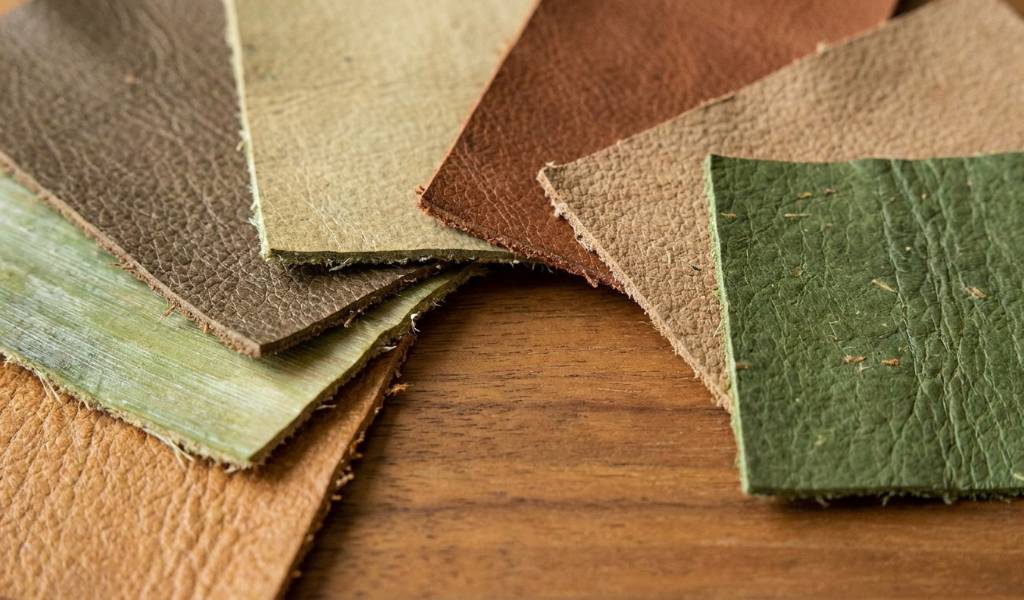
Choose vegan leather fashion in California by prioritizing breathable bio-based textiles like apple skin and cactus leather. In addition, check for reinforced edge stitching and solvent-free water-based polyurethane coatings to resist intense sun exposure. These mindful choices guarantee lasting luxury while supporting sustainable West Coast wardrobe standards.
California shoppers lead global movements toward ethical luxury and cruelty-free style. State market research shows that 68 percent of coastal consumers actively seek animal-free textiles. Furthermore, regional demand for innovative bio-based leather alternatives increased by 42 percent over recent years.
Selecting premium garments requires balancing environmental responsibility with coastal weather performance. Modern buyers embrace vegan leather fashion to reduce carbon footprints without sacrificing chic personal aesthetics. Specifically, careful material evaluation helps fashion enthusiasts build durable, sophisticated wardrobes that endure daily wear.
Key Takeaways
- Material Composition: Plant-derived options provide superior breathability compared to purely synthetic petroleum fabrics.
- Thermal Stability: High-grade bio-textiles resist softening or sticking under direct California sunlight.
- Coating Standards: Solvent-free waterborne polyurethanes deliver supple textures while eliminating toxic chemical emissions.
- Construction Quality: Double-stitched seams and sealed raw edges prevent premature material peeling.
- Protective Care: Storing garments away from radiant heat sources preserves delicate polymer flexibility.
The Coastal Climate and Vegan Fabric Performance
California experiences intense ultraviolet radiation and rapid coastal temperature shifts. For example, warm afternoon sunshine frequently transitions into brisk ocean breezes by twilight. Standard plastic pleather often traps body heat and cracks when exposed to constant sunlight.
Consequently, local fashion enthusiasts require advanced textiles that adjust to thermal changes. Premium plant-based leather blends incorporate micro-porous structures that allow moisture vapor to escape. This ventilation prevents sweaty discomfort during warm strolls along Pacific coastal boulevards.
Additionally, dry interior valleys generate extreme heat that tests synthetic garment durability. Low-grade vinyl degrades rapidly when left inside warm commuter vehicles or sunlit rooms. Investing in resilient plant materials ensures your outerwear maintains its supple drape across diverse microclimates.
Comparing Bio-Based Textiles and Petrochemical Synthetics
Shoppers often confuse cheap petroleum polyvinyl chloride with high-grade bio-fabricated alternatives. Traditional PVC relies on fossil fuels and releases harmful phthalates during production and decomposition. In contrast, modern innovators harvest agricultural wastes like pineapple leaves, grape skins, and apple cores.
Planning autumn trips to explore festive halloween activities gloucester requires reliable weather-resistant outerwear. Similarly, touring historic coastal avenues calls for comfortable cruelty-free apparel that resists unexpected dampness. High-quality cactus and pineapple textiles provide flexible warmth while dramatically lowering ecological footprints.
Furthermore, plant leathers biodegrade much faster than conventional synthetic polymers. Standard polyurethane jackets remain in municipal landfills for centuries without breaking down naturally. Choosing agricultural byproduct fabrics supports circular fashion models that minimize planetary harm.
Evaluating Construction Integrity and Stitching Quality
A stylish garment means very little if seams tear after minimal wearing. Inspecting the physical construction of cruelty-free jackets and handbags is vital before purchasing. First, examine the thread density along high-stress areas such as armholes, pocket corners, and strap anchors.
Fashion designers celebrating innovation on deck the runway platforms emphasize impeccable artisan finishing. Likewise, discerning shoppers should demand smooth edge paints and tight lockstitch needlework on retail pieces. Flawless hardware integration prevents zipper binding and keeps metal buckles firmly in place.
Moreover, turn garments inside out to evaluate lining fabrics and pocket bag construction. High-end designers line vegan outerwear with organic cotton, lyocell, or recycled satin twill. Cheap polyester linings trap heat quickly and create uncomfortable static friction during daily movements.
Optimizing Wardrobe Storage for Premium Faux Leather
Proper storage directly dictates how long alternative leather apparel maintains its pristine showroom appearance. Synthetic coatings react negatively to excessive humidity, direct sunlight, and extreme closet overcrowding. Therefore, hanging delicate garments on wide contoured wooden hangers prevents shoulder bumps and unsightly dimples.
Homeowners who understand how bespoke fitted wardrobes are designed appreciate the immense value of consistent internal airflow. Similarly, providing ample clearance between hanging jackets prevents surface friction and premature polymer wear. Never store alternative leather goods inside non-breathable plastic dry-cleaning bags.
Instead, use breathable organic cotton dust covers to shield luxury items from particulate settling. Maintain stable ambient temperatures and moderate humidity levels within dressing quarters. These protective steps prevent surface delamination and keep vegan jackets ready for immediate evening wear.
Styling Cruelty-Free Apparel for Diverse California Settings
California fashion celebrates an effortless fusion of relaxed streetwear and sophisticated tailoring. For instance, pairing a sleek bio-leather biker jacket with relaxed linen trousers creates effortless visual balance. This versatile ensemble transitions seamlessly from afternoon studio meetings to rooftop dinner parties.
Furthermore, selecting natural earth tones enhances wardrobe versatility across changing seasons. Warm tan, rich terracotta, deep forest green, and classic black integrate smoothly into existing collections. Choosing neutral shades maximizes styling options and reduces the urge toward wasteful trend-driven shopping.
Footwear made from apple leather or recycled cork offers another fantastic styling opportunity. These lightweight shoes provide cushioned all-day comfort for walking city blocks or seaside piers. Combining matching accessories like belts and tote bags unifies your ethical ensemble with refined polish.
Cleaning and Conditioning Routines for Lasting Texture
Cruelty-free textiles require distinct cleaning techniques compared to traditional animal hides. Animal leather thrives on heavy animal fats and oils, but synthetics reject oily conditioners. In fact, petroleum waxes and heavy oils leave sticky films that attract ambient street grime.
Instead, clean surface smudges by wiping gently with a soft, lukewarm microfiber cloth. If stains persist, mix mild plant-based dish soap with distilled water for gentle spot treatment. Always dab the fabric lightly rather than scrubbing vigorously against the grain.
Finally, apply specialized water-based synthetic leather protectants once every four months. These formulas replenish essential surface polymers and shield against harsh solar UV fading. Regular gentle care keeps alternative leather accessories looking brand new for many seasons.
Curated Shopping Checklist for West Coast Boutiques
Navigating modern sustainable boutiques requires a clear understanding of fiber content and certifications. Informed shoppers examine inner care labels rather than trusting vague retail marketing tags. Review this practical checklist before purchasing your next cruelty-free statement piece:
- Examine the material label to verify genuine bio-based content percentages.
- Confirm that the surface coating uses water-based polyurethane rather than brittle PVC.
- Inspect all structural seams for double stitching and sealed exterior edges.
- Flex the material by hand to confirm supple rebound and soft hand feel.
- Verify sustainable certifications like USDA BioPreferred, PETA-Approved Vegan, or OEKO-TEX.
- Check interior pocket linings for breathable natural fabrics such as organic cotton.
Conclusion
Choosing vegan leather fashion in California allows conscious consumers to celebrate style without compromising environmental ethics. Evaluating raw material origins, artisan construction quality, and breathable coatings ensures superior performance in sunny coastal climates. Mindful investments in innovative plant-based textiles elevate your personal style while safeguarding global natural resources.
Transform your daily wardrobe by exploring innovative bio-based fashion pieces today. Visit local sustainable boutiques to experience the luxurious softness of cactus and pineapple textiles firsthand. Upgrade your wardrobe with conscious cruelty-free outerwear that reflects authentic West Coast elegance.
Frequently Asked Questions
What is the most durable plant-based alternative to animal leather?
Cactus leather and Piñatex pineapple fiber textiles deliver exceptional tear resistance and longevity.
Does intense California sunshine cause vegan leather jackets to peel?
Low-grade PVC peels rapidly under sunlight, whereas quality bio-polyurethane resists UV radiation damage.
How do you remove street dust from faux leather garments?
Wipe the surface gently using a soft microfiber cloth dampened with lukewarm distilled water.
Are plant-derived leathers completely waterproof in coastal rain?
Most bio-based textiles feature water-resistant topcoats that shed light ocean mist and rain effortlessly.
Can conventional leather conditioners be applied to synthetic apparel?
Never apply animal leather oils, because they create sticky residue on synthetic polymer coatings.

No Comments