
28 Jul How to Choose the Best Scalp Serum
You’ve noticed more hair in your brush, and your part seems wider than it used to be. Maybe you’ve tried thickening shampoos or vitamins, but the results have been underwhelming. The problem isn’t just about hair—it starts at the root. More specifically, it starts with your scalp environment. A targeted topical formula can help, but with so many options on the shelf, finding the best scalp serum for thinning hair can feel overwhelming. This guide cuts through the noise, giving you the exact criteria to evaluate any formula so you make a choice that actually works.
What Exactly Is a Scalp Serum and How Does It Work?
The Core Function of a Scalp Serum
A scalp serum is a leave-on topical treatment designed to deliver active ingredients directly to the hair follicles. Unlike a shampoo that rinses away within minutes, a serum remains on your scalp, providing prolonged exposure to nutrients, peptides, and growth factors. Think of it as a targeted treatment for the soil, not just the plant.
How It Differs from Hair Oils and Leave-In Conditioners
Many people confuse serums with oils or conditioners. Hair oils often focus on lubrication and shine, while conditioners target the hair shaft. A scalp serum specifically targets the follicle environment. It is usually lightweight, non-greasy, and formulated to absorb quickly into the scalp layers where biological hair growth processes occur.
The Biological Mechanism Behind Serum Effectiveness
Effective serums work by improving blood circulation to the follicles, delivering essential vitamins (like biotin and niacin), and blocking the hormonal enzyme (5-alpha reductase) that shrinks hair follicles. When you apply the best scalp serum for thinning hair consistently, you are essentially providing your follicles with the tools they need to prolong the anagen (growth) phase of your hair cycle.
Why Is Scalp Health Critical for Preventing Hair Loss?
The Scalp-Hair Connection: A Foundation Analogy
Your scalp is the biological soil for your hair. If the soil is inflamed, clogged, or lacking nutrients, the hair growing from it will be weak and short-lived. Research consistently shows that a healthy scalp microbiome is directly linked to thicker, more resilient hair strands. Ignoring your scalp is like trying to grow a garden without tending to the dirt.
Common Scalp Conditions That Accelerate Thinning
Several scalp issues can speed up hair loss, including dandruff (seborrheic dermatitis), excess sebum buildup, and poor circulation. Inflammation from these conditions can trigger an immune response that prematurely pushes hair follicles into the resting phase. A targeted serum can directly combat these issues with ingredients like salicylic acid, zinc pyrithione, or caffeine.
Signs That Your Scalp Needs Extra Care
If you experience persistent itching, visible flaking, redness, or tenderness when you move your hair, your scalp is signaling distress. Additionally, if you notice that your hair feels thinner near the crown or temples, it is worth evaluating your scalp environment. Early intervention with a quality serum can often reverse minor thinning caused by scalp neglect.
Which Key Ingredients Make the Best Scalp Serum for Thinning Hair?
Clinically Proven Growth Activators
When evaluating a serum, look for ingredients with clinical backing. Minoxidil remains the gold standard for FDA-approved hair regrowth. However, many non-pharmaceutical serums use effective alternatives like redensyl, procapil, or caffeine. These compounds stimulate follicle activity without the side effects associated with minoxidil, such as initial shedding or irritation.
Essential Nutrients and Antioxidants
Your follicles require a steady supply of micronutrients. Biotin (vitamin B7) strengthens the keratin structure of hair. Vitamin E and green tea extract provide antioxidant protection against oxidative stress, which can damage follicle cells. Niacin (vitamin B3) improves microcirculation, ensuring that oxygen and nutrients reach the root.
Ingredients to Avoid in Scalp Serums
Not all serums are created equal. Avoid formulas heavy with silicones, mineral oil, or parabens. These can clog follicles and exacerbate thinning over time. Also be wary of strong fragrances or essential oils that can cause contact dermatitis, creating inflammation that works against your growth goals.
How to Identify Your Type of Hair Thinning Before Buying a Serum
Genetic Thinning (Androgenetic Alopecia)
This is the most common cause of hair loss, characterized by a receding hairline (in men) or widening part (in women). It is driven by the hormone DHT (dihydrotestosterone). For this type, the best scalp serum for thinning hair will contain DHT-blocking ingredients like saw palmetto, caffeine, or ketoconazole. Consistency is key, as genetic thinning requires ongoing maintenance.
Nutritional or Stress-Related Shedding (Telogen Effluvium)
If you experienced a stressful event, illness, or rapid weight loss three months ago, your current thinning might be temporary. Serums rich in B vitamins, collagen peptides, and iron-boosting ingredients (like copper peptides) are ideal here. The goal is to accelerate the transition from the resting phase back to the growth phase.
Environmental Damage and Aging
Chronic sun exposure, pollution, and aging reduce the scalp’s natural ability to regenerate. In this case, look for serums with hyaluronic acid (for hydration), ceramides (for barrier repair), and antioxidants like resveratrol. Older scalps need moisture retention as much as they need growth stimulation.
How to Read a Scalp Serum Ingredient Label Like a Pro
The 60-Second Label Scan
Start by scanning the first five ingredients. In cosmetic chemistry, ingredients are listed by concentration. If water or a silicone is the first ingredient and the active compound is near the bottom, the serum is likely weak. A quality best scalp serum for thinning hair will list its hero ingredient (e.g., redensyl, caffeine, or biotin) within the top third of the list.
Understanding Active Concentration Percentages
Some brands disclose the exact percentage of active ingredients. For example, a serum may state “5% Redensyl” or “2% Caffeine.” If percentages are not listed, check the label for clinical claims. Avoid brands that use vague language like “proprietary blend” without specifying doses, as this often masks low concentrations.
Spotting “Greenwashing” in Hair Care
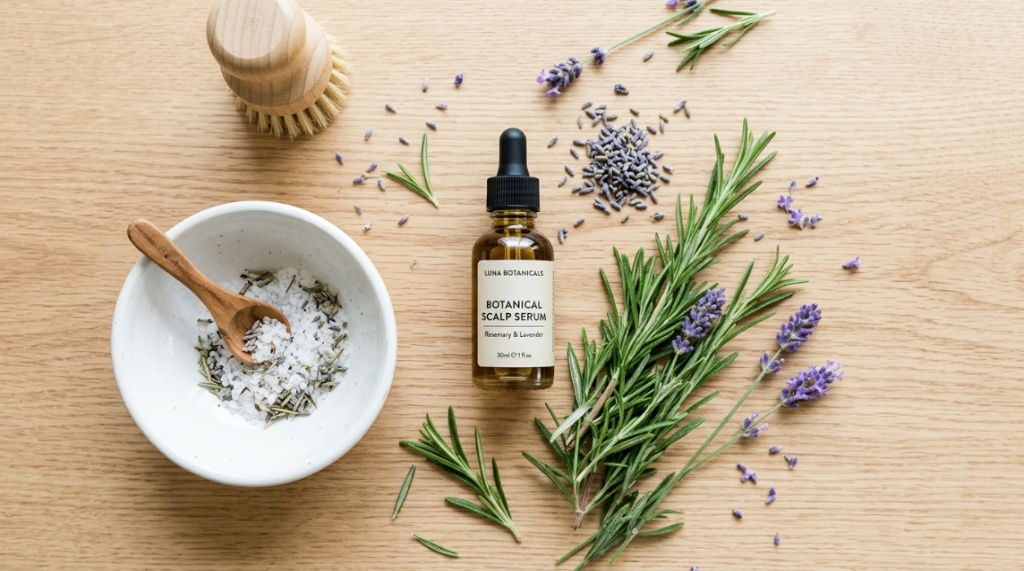
Just because a product says “natural” or “organic” does not mean it is effective for thinning hair. Some natural oils can actually coat the scalp and trap debris. Look for serums that combine natural extracts (like rosemary oil) with scientifically validated peptides or growth factors. A balanced approach between nature and science is often the most effective.
Which Application Techniques Maximize Serum Results?
Prepping Your Scalp for Absorption
Apply the serum to a clean, slightly damp scalp after washing your hair. Product buildup, oil, and dead skin cells act as barriers that prevent absorption. Exfoliating your scalp once a week with a gentle scrub can also significantly improve how much active ingredient actually reaches the follicle.
The Proper Application Sequence
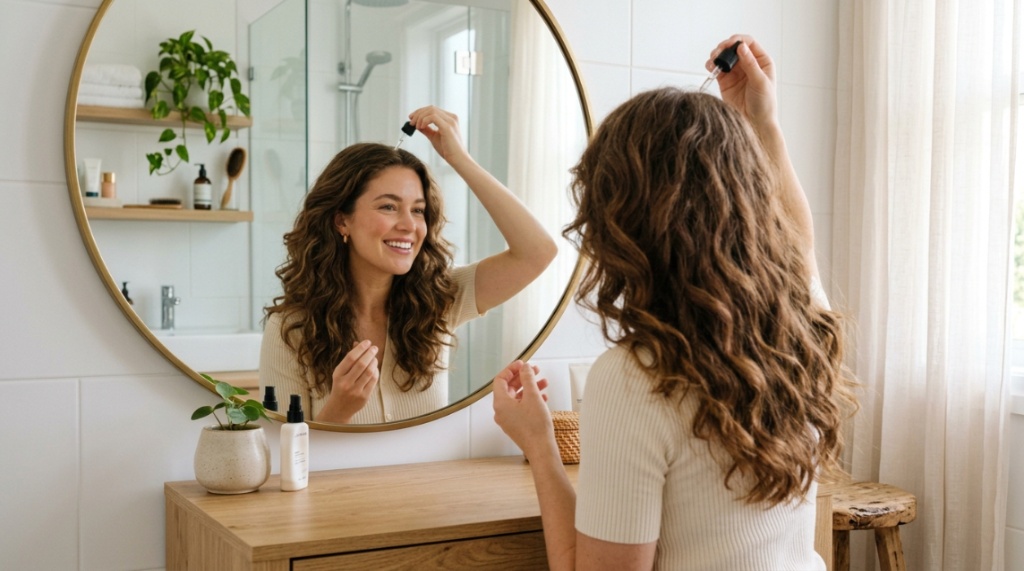
Part your hair into sections and apply the serum directly to the scalp, not the hair strands. Use the dropper or nozzle to place small drops along your part line and at the temples. Then, use your fingertips (not your nails) to gently massage the serum in circular motions for at least 60 seconds. This physical stimulation increases blood flow, amplifying the serum’s effects.
How Often Should You Use a Scalp Serum?
Consistency is more important than quantity. Most serums require once-daily application. Some intensive formulas may suggest twice daily, but over-application will not speed up results. Treat your serum like a daily vitamin for your scalp—skipping days reduces cumulative effectiveness. You should expect visible results (less shedding or new growth) within 8–12 weeks of consistent use.
Can Scalp Serums Work for Both Men and Women?
Physiological Differences in Hair Loss Patterns
Men typically experience hair loss in a distinct pattern (receding hairline and crown thinning), while women usually see diffuse thinning across the top of the scalp. Despite these differences, the underlying mechanisms of follicle sensitivity to DHT and inflammation are similar. Most unisex serums are effective for both genders, though women may benefit from formulas with added iron or hormonal support.
Hormonal Considerations for Women
Women experiencing thinning related to pregnancy, menopause, or PCOS should look for serums that do not contain strong androgen blockers. Ingredients like pumpkin seed extract and rosemary oil are generally considered safe for fluctuating hormone levels. Always consult a dermatologist if you are unsure about a serum’s interaction with your specific hormonal profile. For more localized lifestyle and trend guides, check out How Outfit Bows Look Uneven in New York, NY.
Dosage and Sensitivity Differences
Some men may tolerate higher concentrations of active ingredients like minoxidil or caffeine better than women, due to differences in scalp thickness and sensitivity. Women with sensitive skin should opt for serums labeled “gentle” or “sensitive scalp” to avoid redness or stinging. Most brands now offer gender-neutral formulations that respect these biological nuances.
How to Compare Serum Price vs. Value for Long-Term Use
Calculating Cost Per Use
A serum that costs $50 but lasts three months is often a better value than a $20 serum that runs out in three weeks. To calculate, divide the bottle size by the recommended daily dose. For example, a 30ml bottle with a daily dose of 1ml costs about $0.56 per day for a premium product. Effective growth serums typically range between $0.50 and $1.50 per daily application.
Why Generic Is Not Always Worse
Generic versions of minoxidil (like Rogaine generic) can be just as effective if the active ingredient concentration is identical. However, for proprietary blends (like Redensyl or Capixyl), the brand matters because the ingredient is patented and specific to the manufacturer. Do not assume a lower price means lower quality, but verify that the active ingredient is present in clinically effective amounts.
Where Luxury and Affordability Meet
The market for effective serums has expanded dramatically. You no longer need to spend $100+ on a single bottle. Many drugstore and mid-range brands now offer formulations that rival luxury products. If you want to explore options that combine quality with reasonable pricing, check out this guide on the best scalp serum for thinning hair, which outlines affordable choices that do not sacrifice ingredient integrity.
The Danger of “Miracle” Pricing
If a serum is priced suspiciously low (under $10 for a month supply), be skeptical. Effective growth ingredients are costly to synthesize. Extremely cheap serums often contain water, alcohol, and minimal active ingredients. They may provide temporary shine but will not address the root cause of thinning. Invest in a serum that justifies its price through proven ingredient research and transparent labeling.
When Should You See a Dermatologist Instead of Buying a Serum?
Warning Signs That Require Medical Attention
If your hair loss is sudden, patchy (like a coin-sized spot), or accompanied by significant itching, pain, or redness, stop self-treating. These symptoms could indicate an autoimmune condition (alopecia areata) or a fungal infection. A scalp biopsy or blood test can identify underlying causes that serums cannot address alone.
When a Serum Is an Incomplete Solution
A serum cannot replace deficient thyroid hormones or reverse the effects of severe anemia. If you are losing hair without a clear cause, a doctor can check your ferritin (iron storage), vitamin D, and thyroid-stimulating hormone (TSH) levels. Topical serums work best when internal health is already on track.
Combination Therapy for Advanced Thinning
For significant thinning, dermatologists often recommend a combination approach: a prescription topical (like finasteride or minoxidil), paired with a supportive serum containing peptides and antioxidants. A quality serum can amplify the effects of medical treatments by improving scalp health, but it should not replace a doctor’s advice for aggressive or early-onset hair loss.
Frequently Asked Questions
How long does it take for a scalp serum to show results?
Most people notice a reduction in hair shedding within 4 to 8 weeks of daily use. Visible new growth (small, fine hairs) typically appears between 8 and 16 weeks. Patience is essential because hair grows slowly, averaging about half an inch per month.
Can I use a scalp serum every day?
Yes, most serums are formulated for daily use. Read the specific instructions on your product, as some intensive serums are used twice daily or only three times per week. Overuse does not speed up results and may irritate the scalp. Will a scalp serum work on a receding hairline?
Serums can help, but results vary. The hairline is often the most resistant area to treatment because follicles there are highly sensitive to DHT. Consistent use may slow the recession and strengthen existing hairs, but significant regrowth is easier to achieve on the crown or top of the scalp.
Do I need to wash my hair before applying a serum?
It is best to apply serum to clean, damp hair. Product buildup, oil, and sweat block follicle absorption. If you cannot wash your hair daily, apply the serum after your regular wash routine so the scalp is fresh and receptive to the active ingredients.
Are natural scalp serums effective for thinning hair?
Some natural ingredients like rosemary oil, peppermint oil, and saw palmetto have clinical evidence supporting their effectiveness. However, purely “natural” serums often lack the potency of synthetic peptides. The best approach is a hybrid formula that combines natural extracts with lab-tested growth activators.
Can I use a scalp serum with other hair products?
Yes, but apply the serum first and allow it to absorb for 10 minutes before layering any leave-in conditioner or styling product. Avoid applying heavy oils or gels directly over the serum, as this can create a barrier that prevents the active ingredients from penetrating.
What happens if I stop using a scalp serum?
If you stop using a growth-stimulating serum, your scalp will return to its natural baseline within approximately 8 to 16 weeks. This means you will likely lose any new growth and your hair loss pattern will resume. Think of it like a garden that stops growing if you stop watering it.
Conclusion
Choosing the best scalp serum for thinning hair does not have to be a gamble. By understanding your specific type of hair loss, reading labels for clinically proven ingredients, and applying the product with consistency, you can give your hair follicles the support they need to thrive. Remember that scalp health is the foundation of hair density, and a targeted serum is one of the most direct tools you have to address thinning effectively. Start with a product that matches your needs, use it correctly, and give it at least three months to work. Your future hair growth depends on the actions you take today. Review the affordable options highlighted in our reference to find a serum that fits your budget and your hair goals.

No Comments