
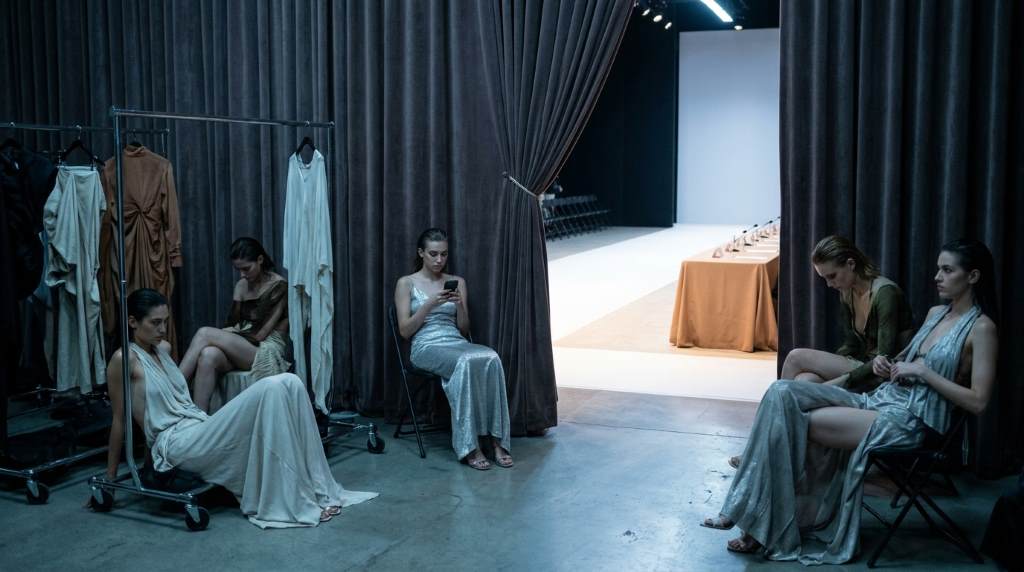
27 Jul Why Los Angeles, CA Runway Events Face Judge Delays
Runway events rely on careful planning, yet judging schedules often change because of unexpected challenges. Industry reports show that major fashion events can involve more than 100 looks in one showcase, while large productions may include dozens of judges and coordinators. Therefore, understanding fashion show judging criteria helps explain why delays sometimes happen. This guide explains the common causes, practical solutions, and what attendees, designers, and organizers should expect.
Understanding Why Runway Judging Takes Longer
Judging involves far more than scoring clothing on appearance alone. Instead, experts review craftsmanship, creativity, styling, presentation, and overall execution before making fair decisions.
Large productions also feature multiple judging rounds with independent evaluations. Likewise, organisers often study ideas from Paris Fashion Week SS27 to improve consistency without sacrificing accuracy.
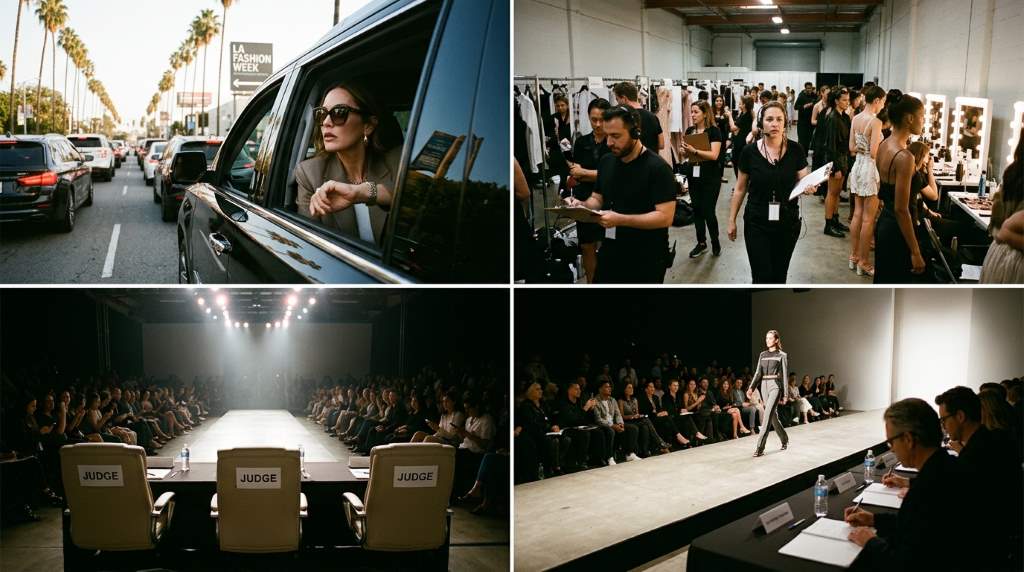
Several operational factors increase judging time during busy runway events.
- Large designer participation
- Multiple judging panels
- Detailed scoring categories
- Tie breaking discussions
- Technical production interruptions
- Final score verification
Common Reasons Judge Delays Happen
Large Number of Contest Entries
Popular runway competitions attract many designers from different backgrounds. Consequently, judges require additional time to evaluate every collection fairly and consistently.
Detailed Scoring Standards
Professional judges rarely rely on first impressions alone. Instead, they compare originality, construction quality, styling decisions, and presentation before awarding final scores.
Panel Discussions
Experienced judges frequently disagree on close competitions because artistic opinions naturally differ. Therefore, discussions continue until the panel reaches balanced and transparent conclusions.
Unexpected Schedule Changes
Backstage preparations occasionally finish later than expected because models, designers, or production teams encounter challenges. As a result, judging sessions also shift to maintain event quality.
Many organisers also monitor international planning methods through guides like Miami Fashion Week guide when refining event schedules and judging procedures.
How Event Organisers Reduce Judging Delays
Professional organisers understand that long delays affect audience satisfaction and participant confidence. Therefore, they build detailed schedules with extra flexibility before event day.
Many successful productions use digital scorecards instead of paper forms. Consequently, judges submit scores faster while reducing calculation mistakes.
Several planning strategies improve judging efficiency.
- Create realistic judging timelines
- Train scoring assistants beforehand
- Prepare backup judging rooms
- Test technical equipment early
- Verify participant information before judging
- Schedule short breaks between sessions
Why Fairness Matters More Than Speed
Quick judging may seem attractive for audiences waiting patiently. However, rushed decisions can reduce confidence in competition results.
Professional judges must evaluate every collection using identical standards throughout the event. Therefore, careful reviews protect both designers and event credibility.
Transparent judging also encourages future participation because designers value consistent evaluation processes. Likewise, sponsors prefer events that maintain trusted judging standards.
What Designers Should Expect During Delays
Waiting for results can feel stressful after months of preparation. Still, delays often indicate judges are carefully reviewing every submission.
Designers should remain patient while respecting the evaluation process. Furthermore, maintaining professionalism creates a stronger impression throughout the competition.
Participants benefit from using waiting periods wisely.
- Network with industry professionals
- Review audience feedback
- Capture professional event photos
- Prepare future marketing materials
- Connect with potential collaborators
How Attendees Experience Judge Delays
Audience members usually notice schedule adjustments before official announcements appear. Fortunately, many organisers fill waiting periods with interviews, performances, or designer presentations.
These activities maintain excitement while judges complete careful evaluations. Consequently, visitors continue enjoying the event despite temporary scheduling changes.
Modern runway productions also share updates through official social channels. Therefore, attendees receive timely information without unnecessary confusion.
Technology Is Improving Judging Efficiency
Digital scoring systems continue transforming professional runway competitions across major fashion events. Consequently, judges record evaluations faster while organisers monitor progress instantly.
Cloud based reporting also reduces paperwork and calculation errors. Additionally, automated ranking tools help identify close scoring differences without replacing human judgement.
Technology supports judges through several important features.
- Real time score tracking
- Automatic score calculations
- Digital comment storage
- Secure evaluation records
- Faster result verification
Final Thoughts
Judge delays rarely indicate poor organisation because complex evaluations require thoughtful review. Instead, they often reflect fairness, professionalism, and respect for every participating designer.
If you plan to attend or participate in future runway events, expect occasional schedule adjustments while appreciating the careful judging process. Stay informed through official event updates and prepare for an enjoyable fashion experience.
Frequently Asked Questions
Why do runway judges need extra time?
Judges carefully evaluate creativity, construction, presentation, and scoring accuracy before final decisions.
Do judging delays affect competition fairness?
No, additional judging time usually improves fairness and consistency.
Can technology eliminate judging delays completely?
No, technology speeds administration but cannot replace thoughtful human evaluation.
Should designers worry about judging delays?
No, delays often mean judges are reviewing every collection carefully.
How can attendees stay informed during delays?
Follow official event announcements and verified social media updates for accurate scheduling information.

No Comments